


Not all slot games feel the same when you play them. Sometimes you’ll notice a game giving you small wins quite often, just enough to keep your balance going. Other times, you might spin for a while without much happening, and then suddenly hit a much bigger win. That’s not just luck behaving differently — it’s because the slot has a different volatility level.
Volatility basically decides how a slot pays. It influences things like:
-
How often you get winning spins
-
Whether the wins are usually small or large
-
How quickly your balance goes up or down
For example, if you’re playing a low volatility slot, you might see frequent wins, but they’ll usually be smaller. With a high volatility slot, wins don’t come as often, but when they do, they can be much more rewarding.
Table of Contents
ToggleWhat Is Slot Volatility?
Slot volatility, which you might also see called slot variance, is basically about how a slot gives its wins. It doesn’t change the RTP, but it does change how those wins show up while you’re playing.
Some slots keep things moving by giving you smaller wins here and there. You’ll see your balance dip and recover often, which makes the game feel more steady. Other slots can feel quieter. You might go through several spins without a win, but when something does land, the payout is usually more noticeable.
So, volatility mainly comes down to two things:
-
How often you win – whether wins show up regularly or less frequently
-
How much you win – whether payouts are usually smaller or occasionally much bigger
For example, if you’re playing and seeing lots of small returns that keep you going, that’s typically lower volatility. If the game feels slower but suddenly gives you a stronger payout, that’s usually higher volatility.
It’s not about which one is better. It’s more about knowing what kind of ride the slot is likely to give you before you start spinning.
Low vs High Volatility Slots: Key Differences
Once you understand what volatility means, the next step is knowing how low and high volatility slots actually feel when you’re playing them. The difference becomes pretty obvious after a few spins.
With low volatility slots, you’ll usually notice small wins popping up more often. They may not be huge, but they help keep your balance going and make the game feel more active. High volatility slots, on the other hand, can feel slower. You might spin for a while without much happening, but when a win does come in, it can be a lot bigger.
| Feature | Low Volatility Slots | High Volatility Slots |
|---|---|---|
| Win frequency | You’ll see wins more often, even if they’re small | Wins don’t come as often, and there can be dry spells |
| Win size | Most payouts are smaller and steady | Wins can be much larger when they hit |
| Risk level | Lower risk, with fewer big drops in your balance | Higher risk, your balance can change quickly |
| Bankroll impact | Your money usually lasts longer | Your balance can go down faster, but big wins are possible |
| Best for | Players who prefer steady and relaxed gameplay | Players who don’t mind waiting for bigger payouts |
It really comes down to what kind of experience you enjoy more — steady progress or taking a chance on bigger wins.
What Are Low Volatility Slots?
Low volatility slots are the kind of games where you’ll see wins coming in more regularly. They may not be exciting every single spin, but you won’t usually be waiting too long before something lands. The amounts are often modest, just enough to give your balance a small lift and keep the session going.
Say you’re betting $1 per spin. In a low volatility game, it wouldn’t be unusual to see returns like $1.20, $1.80, or $2 every now and then. You’re not hitting anything massive, but you’re also not watching your balance disappear all at once.
These slots are usually a comfortable choice if you:
-
Are new and still getting used to how slots behave
-
Want your money to last longer
-
Prefer a game that feels steady instead of unpredictable
They’re more about consistency than big surprises.
What Are High Volatility Slots?
High volatility slots can feel a bit quieter at first. You might go through several spins where nothing much happens, and your balance dips slowly. That’s normal with this type of game. The difference is that when a win finally shows up, it can be much more noticeable.
For example, betting $1 per spin, you could spin for a while without a payout, and then suddenly land something worth $80 or $100. It doesn’t happen constantly, but that’s the appeal.
These slots are usually chosen by players who:
-
Don’t mind waiting a bit longer between wins
-
Are hoping to land something bigger
-
Enjoy the feeling of chasing a stronger payout or bonus round
They can be unpredictable, but that’s exactly why some players prefer them.
Medium Volatility Slots
Medium volatility slots sit somewhere in the middle. They’re not as steady as low volatility games, but they’re also not as extreme as high volatility ones. When you play them, you’ll usually see a mix of smaller wins and occasional bigger payouts.
One moment you might get a small return that keeps your balance going, and later you could hit something more noticeable. It doesn’t feel too slow, and it doesn’t feel too risky either. That balance is why many players naturally end up enjoying this type without even realizing it.
Medium volatility slots are often a good fit for:
-
Players who want a bit of both — regular wins and the chance for something bigger
-
People who don’t want their balance to drop too fast
-
Anyone looking for a more balanced and comfortable gameplay experience
For most players, this type tends to feel the most natural.
Volatility vs RTP: What’s the Difference?
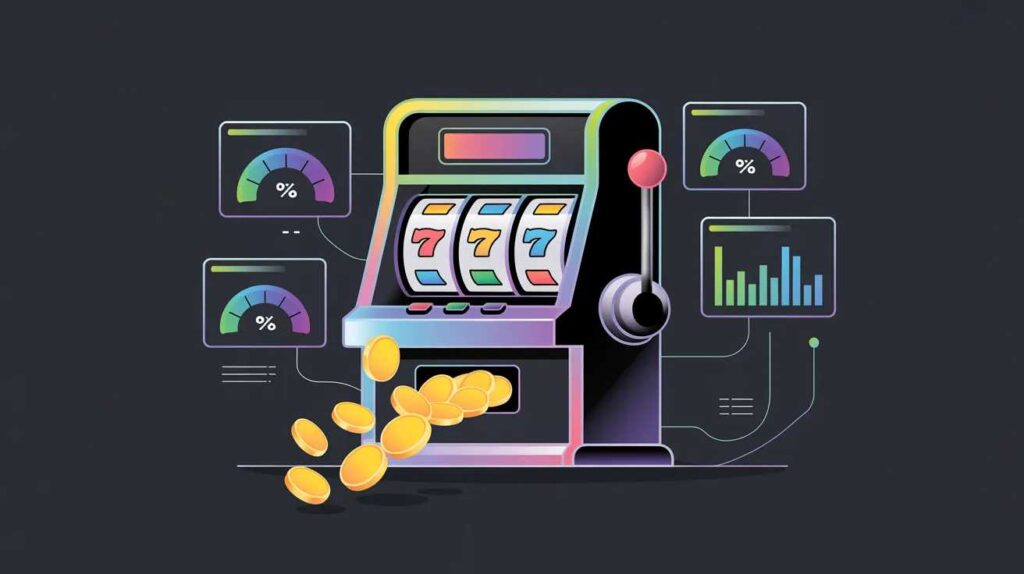
Volatility and RTP are often mentioned together, but they describe two completely different things. Volatility is about how the slot pays, while RTP is about how much the slot pays back over time. Volatility affects your short-term experience. It tells you whether wins come often or less frequently, and whether they’re smaller or larger. RTP, on the other hand, is a percentage that shows how much a slot is designed to return to players over a very long period of time.
Here’s a simple comparison:
| RTP | Volatility |
|---|---|
| Shows the expected return percentage | Shows the level of risk |
| Based on long-term play | Affects short-term gameplay |
| Example: 96% RTP returns $96 per $100 over time | Example: High volatility may pay less often but in bigger amounts |
A slot can have a high RTP and still feel slow if it has high volatility. That’s why understanding both helps you know what to expect before you start playing.
How to Check Slot Volatility
Volatility isn’t always shown clearly, which is why many players miss it. Unlike RTP, you won’t always see a number or label right in front of you. But there are still a few easy ways to figure it out.
The first place to look is the game’s info section. Most slots have an “i” or menu button. Sometimes, the developer will mention whether the game is low, medium, or high volatility there.
You can also check the casino’s game description. Some casinos include basic details about the slot, especially if it’s a popular one.
Another reliable way is through slot review sites. These reviews usually break down everything, including volatility, RTP, and how the game behaves.
And honestly, after playing for a few minutes, you’ll often get a feel for it yourself. If you’re seeing small wins regularly, it’s probably on the lower side. If nothing happens for a while and then you suddenly get a bigger win, that’s usually higher volatility.
BitStarz Casino 50 Free Spins Bonus Code – BRB50
BitStarz is currently offering 50 Free Spins to new players, and you can activate it using the bonus code BRB50. This is a simple way to try one of the most trusted crypto casinos without committing a large deposit.
Once you sign up and enter the code BRB50, the free spins will be credited to your account and can be used on selected slot games. It’s a great starting point if you want to explore the platform, test the games, and potentially win real money from the spins.
BitStarz is especially popular among US players because of its fast crypto payouts, huge slot selection, and reliable reputation. Many players use free spin offers like this to see how the casino feels before playing more seriously.
Bonus Details:
-
Bonus: 50 Free Spins
-
Bonus Code: BRB50
-
Casino: BitStarz
-
Eligible Players: New players
-
Game: Selected slot games
-
Wagering: Standard terms apply
-
Best for: Trying BitStarz risk-free
Which Slot Volatility Is Best?
There’s no single answer here, because it really depends on what you want from the game. Some players just want something that lets them play longer without their balance disappearing too quickly. Others are fine with taking more risk if there’s a chance of landing a bigger win.
It usually comes down to a few simple things:
-
How much you’re comfortable spending
-
Whether you want steady gameplay or bigger payouts
-
How patient you are with riskier games
Here’s a simple way to think about it:
| Your Goal | Best Volatility |
|---|---|
| Want to play longer without losing balance quickly | Low |
| Hoping to land bigger wins | High |
| Prefer something in between | Medium |
Most people naturally move between different types over time. The key is knowing what to expect before you start playing
Frequently Asked Questions – Slot Volatility

1. What does volatility mean in slots?
✔️ Volatility in slots refers to how often a game pays and how big those payouts usually are. Some slots give smaller wins more often, while others pay less frequently but offer bigger rewards. It helps you understand what kind of experience to expect before you start playing.
2. Is high volatility better than low volatility slots?
✔️ High volatility isn’t necessarily better — it’s just different. High volatility slots can offer bigger wins, but they don’t pay as often. Low volatility slots give smaller wins more frequently and are usually easier on your balance. The better choice depends on how much risk you’re comfortable with.
3. Are low volatility slots safer?
✔️ Low volatility slots are generally considered safer in terms of gameplay because they tend to give more frequent wins. This helps your balance last longer. However, the payouts are usually smaller, so they’re not typically associated with big jackpot-style wins.
4. How do I know if a slot is high or low volatility?
✔️ You can check the game’s info section, casino description, or slot review sites to see its volatility level. If that information isn’t available, you can often tell from experience — frequent small wins usually mean low volatility, while rare but bigger wins suggest high volatility.
5. Is volatility the same as RTP?
✔️ No, volatility and RTP are different. RTP shows how much a slot is designed to return over time, while volatility shows how those returns happen during gameplay. A slot can have high RTP but still feel risky if it has high volatility.


